 VICOHEZ LIMITED
 VICOHEZ LIMITED
Leak Detection and Repair Services (LDAR)
Systematic Procedures and Monitoring Techniques We employ advanced monitoring techniques to accurately detect and quantify leaks, ensuring precision and reliability in our services. Our methodologies includes:
Why Choose us
We pride ourselves on delivering top-tier LDAR service, ensuring that our clients meet stringent regulatory requirements and minimize environmental impact through e?ective leak detection and repair strategies.
Optical Gas Imaging (OGI) Cameras
Flame Ionization Detection (FID)
Photo Ionization Detection (PID):
Method 21 Monitoring
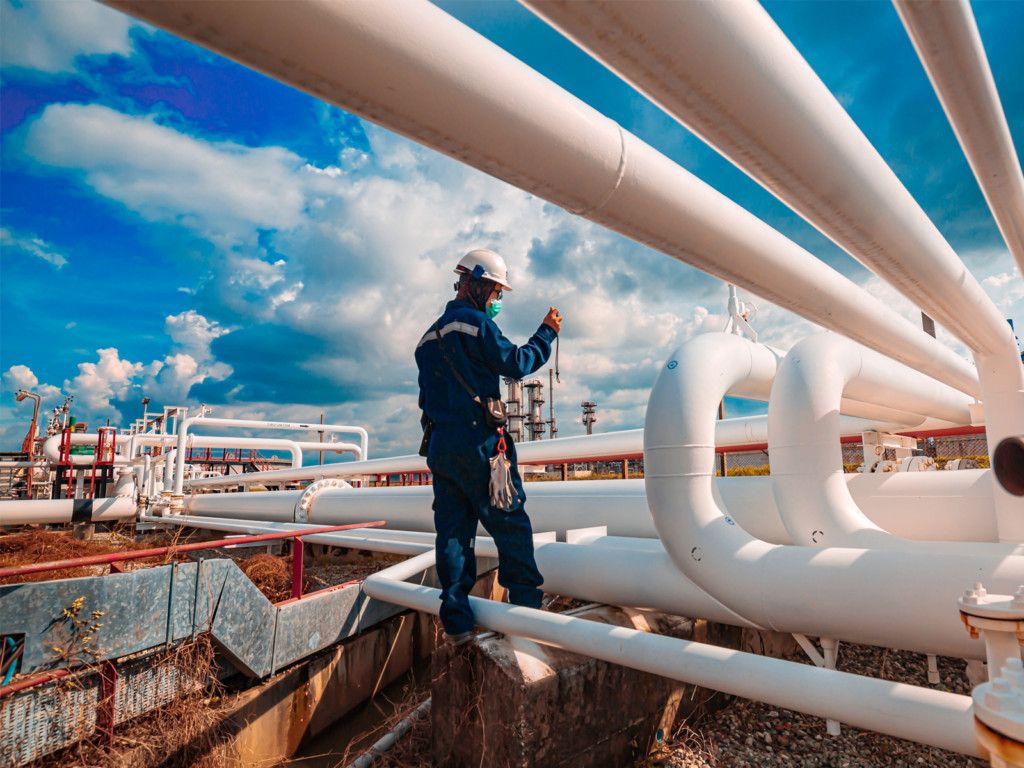
In our commitment to environmental stewardship, we offer specialized GHG solutions to help our clients reduce their carbon footprint and adhere to global climate change indicatives. Our Services include:
- GHG emissions inventory and reporting
- Identification and quantification of methane leaks
- Implementation of methane mitigation strategies
- Continuous monitoring and verification of GHG reductions
Our 6 Steps to an Effective LDAR Testing Programme
We follow a meticulous, six-step process to ensure the effectiveness and compliance of our LDAR programme:
- Component Identification: Systematic identification and tagging of all components subject to LDAR regulations, creating a comprehensive inventory for monitoring.
- Leak Detection Procedure: Using advanced detection technologies and proven methodologies to accurately locate and assess leaks.
- Monitoring Process: Regular and structured monitoring of identified components to ensure prompt detection of any leaks.
- Reporting Results: Thorough documentation and reporting of all findings, ensuring transparency and regulatory compliance.
- Component Repairs: Prompt and effective repair of detected leaks to minimise emissions and maintain operational integrity.
- Record Keeping & Audit: Maintaining comprehensive records of all LDAR activities and conducting periodic audits to ensure continual compliance and programme effectiveness.